
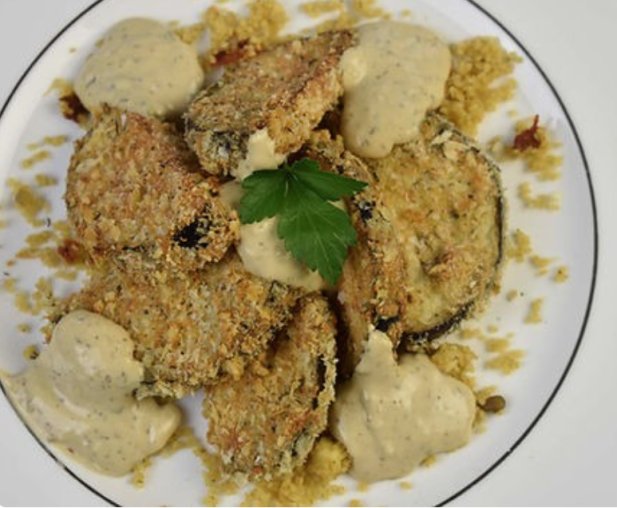
| Preparation time | 20 min |
| Cooking Time | 30 min |
| Ready In | 50 min |
| Level of Difficulty | Moderate |
| Servings | 5 |
Directions
1. Aubergines - Cut in half and the 1cm slices.
2. 3 Bowls - 1 plain flour, 2 eggs mixed, 3 breadcrumbs, with the Za’atar and parmesan mixed.
3. Coat Aubergines - Pass the aubergine slices through the flour, egg then the breadcrumbs.
4. Bake - Brush one side of the aubergines lightly with oil using a pastry brush. Place side by side on a rack on a tray and bake in the oven at 200 degrees centigrade for 15 minutes.
5. Dip - Whilst the aubergine is baking make the dip. Combine all the dip ingredients and stir vigorously until combined, if it is too thick add a few teaspoons of water to desired thickness.
6. Season - After 15 minutes remove from the oven and sprinkle with a little salt to taste.
7. Serve - Serve the aubergine whilst they are still hot, with the dip accompanying.
Notes
What is Za’atar? A Middle Eastern Treasure.
Za’atar is a culinary herb, but it’s also the name of a spice blend that uses it or emulates its flavor. There would not be Middle Eastern food as we know it without za’atar, and that would be a huge loss. Middle Eastern food is not only exotic and inviting, but it’s also comforting and always familiar.
Middle Eastern food goes back for centuries, and it has influenced every cuisine on the planet. This might just be the cradle of modern food, and it’s thanks to spices like za’atar that we get to experience it!
Here’s all you need to know about za’atar and Spice Master’s Za’atar spice blend, an opportunity to bring Middle Eastern flavours to your kitchen quick and easy. Cooking with za’atar might sound challenging, but it isn’t; it’s tons of fun! And it’s delicious as well, so let’s get started! Here’s all about za’atar.
The History of Za’atar
The first record of za’atar goes back to Ancient Egypt. Some spices used in za’atar were found in the tomb of Tutankhamun himself! The ancient Greeks also knew za’atar, and the condiment is mentioned repeatedly in Jewish tradition.
Za’atar has been more than flavour throughout the ages; it was part of spiritual ceremonies with immense significance. Experts believe za’atar was used for its purifying powers; you can’t say the same about most other spice blends, can you?
Za’atar was already a defining trait in Arab cooking during the middle ages. And although some herbs in a typical za’atar blend are also common in other Mediterranean spice blends, together, they’re uniquely Middle Eastern. If you’ve tried Palestinian, Arab or Israeli food, then you already know what za’atar can do. If you haven’t, then you’re in for a pleasant surprise!
Za’atar is now considered a world heritage, and people enjoy it worldwide for the condiment’s versatility and unique Arab feel.
How to use Za’atar Spice?
Za’atar spice blends vary, but they often contain thyme, sumac, oregano, marjoram, cumin and salt. The combination of herbs livens a wide variety of dishes with freshness and aromatics.
Using za’atar to give flavour to bread is not uncommon. Dipping flatbread or pita in olive oil and za’atar is a fantastic snack! You can also season red and white meat with za’atar, and it’s also compatible with vegetables and legume-based dishes like hummus.
If you really want to appreciate the condiment’s delicious personality, combine za’atar with yoghurt for a fantastic dip. And that’s not all; people in Oman make themselves a za’atar tea — isn’t that something? Za’atar can really do it all. You’ll find many uses for it in your kitchen.
Za’atar Spices Explained
Za’atar spices are not overly complicated, as just a few perfumed herbs come together for this ancient condiment. This doesn’t mean that za’atar doesn’t add flavour depth and complexity to your meals — in fact, it’s quite the opposite.
1. Thyme
Thyme is native to the Mediterranean Basin, and it has played a critical role in every cuisine in the area for centuries. The Ancient Egyptians used it, and so did the Greeks and Romans. Since the beginning of time, thyme has been part of ancient cultures, including Arab civilisations.
2. Sumac
Sumac is unique in the realm of spices; the dried and powdered fruit has an intense crimson colour and a lovely tang. Sumac is more than an all-natural colouring; it adds a tart, almost citrus flavour to many dishes in the Middle Eastern repertoire. It certainly balances the more intense elements in za’atar.
3. Oregano
Oregano is a quintessential Mediterranean herb, and it’s related to marjoram. Incredibly scented with earthy and herbal notes, oregano is easy to spot, even if used in small quantities. There’s no doubt oregano is one of the most prominent aromatics in za’atar.
4. Marjoram
Marjoram is much more common in the Middle East than oregano, although both perennial herbs have similar characteristics. Marjoram grows from Southern Europe to Sweden, and its pine, citrus flavours are used in many cuisines, especially Middle Eastern kitchens.
5. Cumin
Cumin is native to the Irano-Turanian region in the Persian Plateau. It’s only natural for Arab countries and those of Persian ascendence to consider the flavourful herb their own. Cumin was used in cooking at least 8,000 years ago. The herb’s warm aroma is addictive.
6. Salt
Salt, of course, is a flavour enhancer that brings all the elements in za’atar together. Salt also enhances any food seasoned with za’atar, allowing home cooks to season their food with ease.
Elevate Your Cooking with Za’atar
Za’atar is a wonderfully fragrant spice: it’s a beautiful rub for red and white meat, and it’s an excellent addition to anything, from soups and stews to bread.
Spice Master’s Za’atar spice will give variety to your cooking and open a world of possibilities into the ancient Middle Eastern way of life. Incredibly easy to use and easily identifiable, it’s spices like za’atar that make cooking so much fun!
Leave a Rating
Ingredients
Comments
You might also like
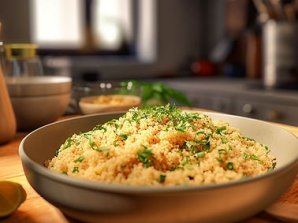
This Harissa-Spiced Vegetable Couscous is a delightful North African-inspired dish that showcases the fragrant and slightly minty aroma of the harissa spice blend. Perfect for a hearty evening meal, this recipe serves 4 to 5 people and can be prepared and cooked in less than 40 minutes.
| Difficulty | Easy |
| Servings | 4 |
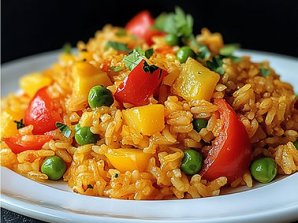
For this Quick and Healthy Adobo Vegetable Paella, we'll use Bomba rice, which is traditionally used in paella, or Arborio rice as an excellent alternative. Both of these short-grain white rice varieties absorb flavours well and maintain a good texture in paella.
| Difficulty | Easy |
| Servings | 4 |

Delicious as can be, here’s a new idea for a sauce to accompany your pasta. With this vegetarian bolognese, you’ll surprise and delight everyone around the table. But what have we used instead of meat? Discover it through our step-by-step instructions below
| Difficulty | Very Easy |
| Servings | 2 |
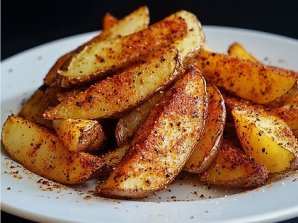
These oven-baked potato chips are a healthier alternative to traditional deep-fried chips, without compromising on taste. The Ultimate Chip Seasoning adds a perfect kick of flavour, elevating this simple dish to a gourmet experience.
| Difficulty | Easy |
| Servings | 5 |
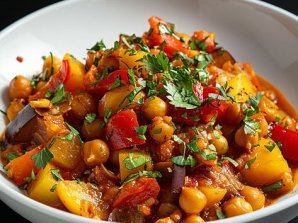
The dish we're going to explore is a Vegetable Tagine with Chickpeas, a meat-free version of the classic North African dish. The tagine, both the name of the cooking vessel and the stew cooked within it, is a staple in Moroccan cuisine
| Difficulty | Moderate |
| Servings | 4 |